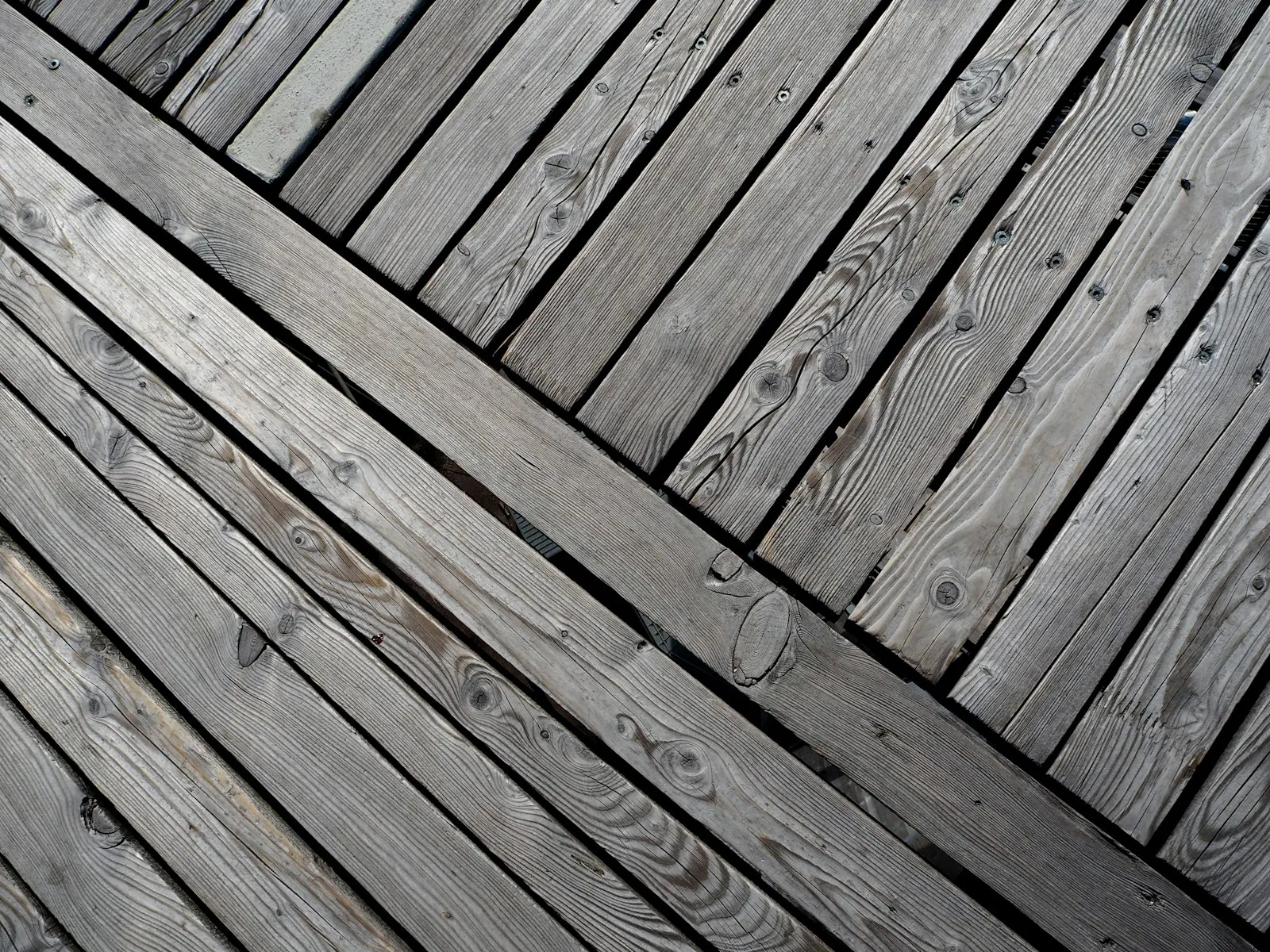
A timber deck is where a lot of South Gippsland living happens: morning coffee looking over green hills, barbecues in summer, a spot to pull off muddy boots after a walk. But timber outdoors in this climate has a hard time. Long wet winters, moss, leaves, shade and the occasional scorching summer day all work on it. Over time boards cup and split, nails pop, steps soften and rails wobble.
Leongatha Handyman repairs and maintains timber decks, steps, verandas and pergolas across Leongatha, Korumburra, Mirboo North, Meeniyan, Inverloch and the wider district. We fix what is failing, make it safe and help the timber last longer.
Deck repairs
- Replacing rotten, split or cupped deck boards
- Re-fixing loose boards and replacing popped nails with screws
- Repairing or replacing deck steps and stair treads
- Tightening and repairing handrails and balustrades
- Replacing damaged fascia and trim boards around the deck edge
- Checking joists and bearers where they are accessible
- Fitting non-slip strips to steps
- Cleaning and oiling or staining
Why decks rot
Most deck rot comes from water that cannot escape. Common causes are:
- Leaves and dirt packed between boards, holding moisture
- Boards laid too tightly with no gap for drainage
- Decks built close to the ground with poor airflow underneath
- Garden beds and soil piled against the deck frame
- Downpipes or gutters overflowing onto the deck
- Pot plants left in one spot for years
- Timber that was never sealed or has not been re-oiled
Shady decks under trees, common in the hills around Mirboo North and Korumburra, grow moss and algae and stay wet for long periods. Coastal decks near Inverloch and Venus Bay deal with salt, sand and wind.
Board replacement
Where a few boards have failed, we remove them and fit new ones of matching width and thickness. Matching an older deck exactly can be hard, because the old timber has weathered, but new boards blend in after oiling and a season outdoors. We screw rather than nail the new boards for a longer-lasting fixing, and check the joists underneath while the boards are up.
If a large proportion of the deck is failing, or the joists and bearers underneath are rotten, a rebuild may be the better option. We will tell you honestly. Large structural deck work may need a builder and a permit.
Steps and stairs
Steps are often the first part of a deck to rot, because the stringers sit on or near the ground. Soft or loose steps are a fall risk. We replace treads, repair or replace stringers on small step sets, and add handrails where needed. For older residents, we can add a sturdy handrail on both sides.
Handrails and balustrades
A wobbly rail is a safety issue, particularly on raised decks. We tighten fixings, replace rotten posts and rails, and repair balusters. If an existing balustrade is clearly below current standards on a high deck, we will mention it.
Pergolas and verandas
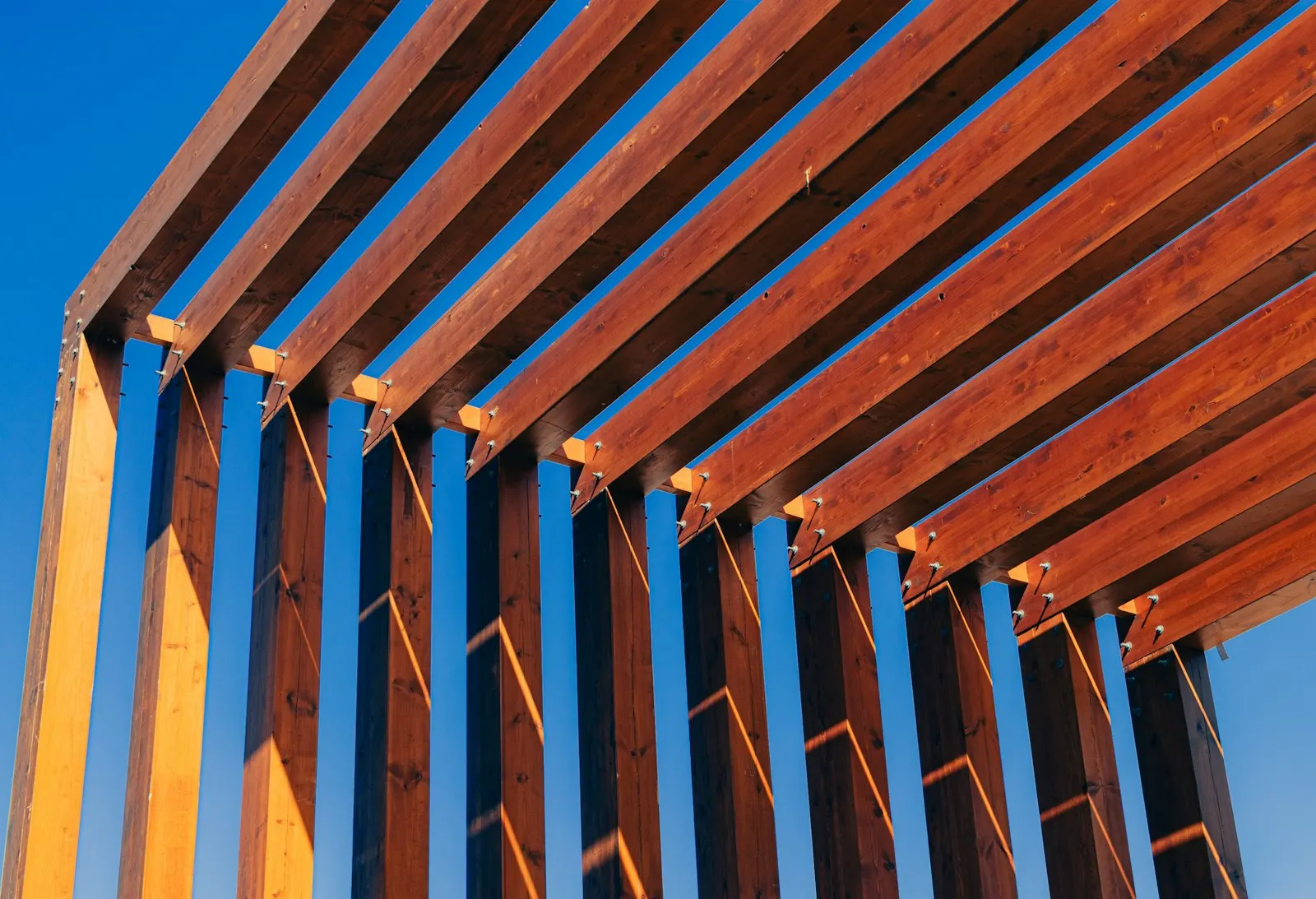
Pergolas and verandas have the same problems as decks: rotten post bases, loose beams, split rafters and failed fixings. We can:
- Replace or repair rotten post bases with stirrups or post supports
- Re-fix loose beams and rafters
- Replace damaged battens and rafters
- Repair or replace polycarbonate sheets on small pergolas
- Repair veranda floorboards, posts, fretwork and brackets on period homes
The front verandas on older homes around Leongatha and Korumburra are a big part of their character. We repair them carefully and match the existing details where possible.
Cleaning and oiling
Oiling a deck is like painting a house: it is maintenance that stops bigger problems. A good cycle is:
1. Sweep and clear between boards.
2. Clean with a deck cleaner to remove grey weathering, mould and grime.
3. Rinse and let the timber dry thoroughly. In South Gippsland this can take a while, so we plan around the weather.
4. Lightly sand rough or splintered areas.
5. Apply quality decking oil or stain with good penetration.
Most decks benefit from oiling every year or two depending on sun exposure. We usually recommend doing it in late spring or early summer when the timber is dry.
Composite decking
Composite boards do not rot, but they can still stain, move, and have loose fixings or damaged edge trims. We can clean them and repair fixings and trims.
Safety checks
If your deck is old or you have noticed it moving, it is worth checking:
- Is there bounce or movement when you walk across it?
- Do the handrails move when you push on them?
- Are the posts, joists and bearers soft when probed with a screwdriver?
- Is the ledger, where the deck attaches to the house, firmly fixed?
If anything seems structurally unsafe, stop using that part of the deck until it is checked.
Decks in a wet climate
South Gippsland gets a lot of rain, especially through winter and spring, and decks pay the price. Water sits on boards and in the gaps between them, leaves from gum trees and garden beds collect in the corners, and the bearers and joists underneath stay damp for months. Boards cup, split and go grey. Nails pop up. Algae and moss make the surface slippery, which is a real fall risk on steps and in shaded areas.
Decks on the coast at Inverloch, Venus Bay and Tarwin Lower face different issues: salt air corrodes standard steel nails, screws and joist hangers, and sand wears the surface. Holiday houses often have decks that go years between maintenance until something gives way.
What we check
When we look at a deck we check:
- boards that are loose, cupped, split, soft or rotten
- nails and screws that have lifted or rusted
- joists and bearers for rot, especially where they sit on posts or against the house
- posts for rot at ground level and movement
- stairs for loose treads, wobbly stringers and missing or loose handrails
- balustrades for height, gaps and sturdiness
- the connection between the deck and the house, where water often gets trapped
We tell you what we find, and we separate what is cosmetic from what is a safety issue.
Repairs we carry out
- replacing individual boards or sections of decking, matched as closely as possible to the existing timber or composite
- refixing loose boards with screws, including stainless screws on the coast
- replacing rotten joists and adding blocking where the frame is weak
- replacing or reinforcing stair treads, stringers and handrails
- fixing loose or damaged balustrades and capping
- pergola repairs: replacing rotten beams, rafters and battens, refixing roof sheeting brackets and adding bracing
- cleaning, sanding and oiling or staining decks to protect them
Where a deck needs structural work such as new footings, a full rebuild or a design change, or where it is high enough to need a building permit, we will tell you and recommend a registered builder.
Maintaining a deck
Regular care keeps a deck safe and extends its life:
1. Sweep leaves and debris off regularly, especially from corners and gaps.
2. Clean the surface once or twice a year to remove dirt, mould and algae.
3. Recoat with a deck oil or stain every one to two years, depending on exposure.
4. Check fixings and handrails at the start of each summer.
5. Keep garden beds, soil and mulch away from the deck frame and posts.
A deck facing north in full sun will need oiling more often than a shaded deck on the south side of the house, which is more likely to grow moss.
Pergolas and verandahs
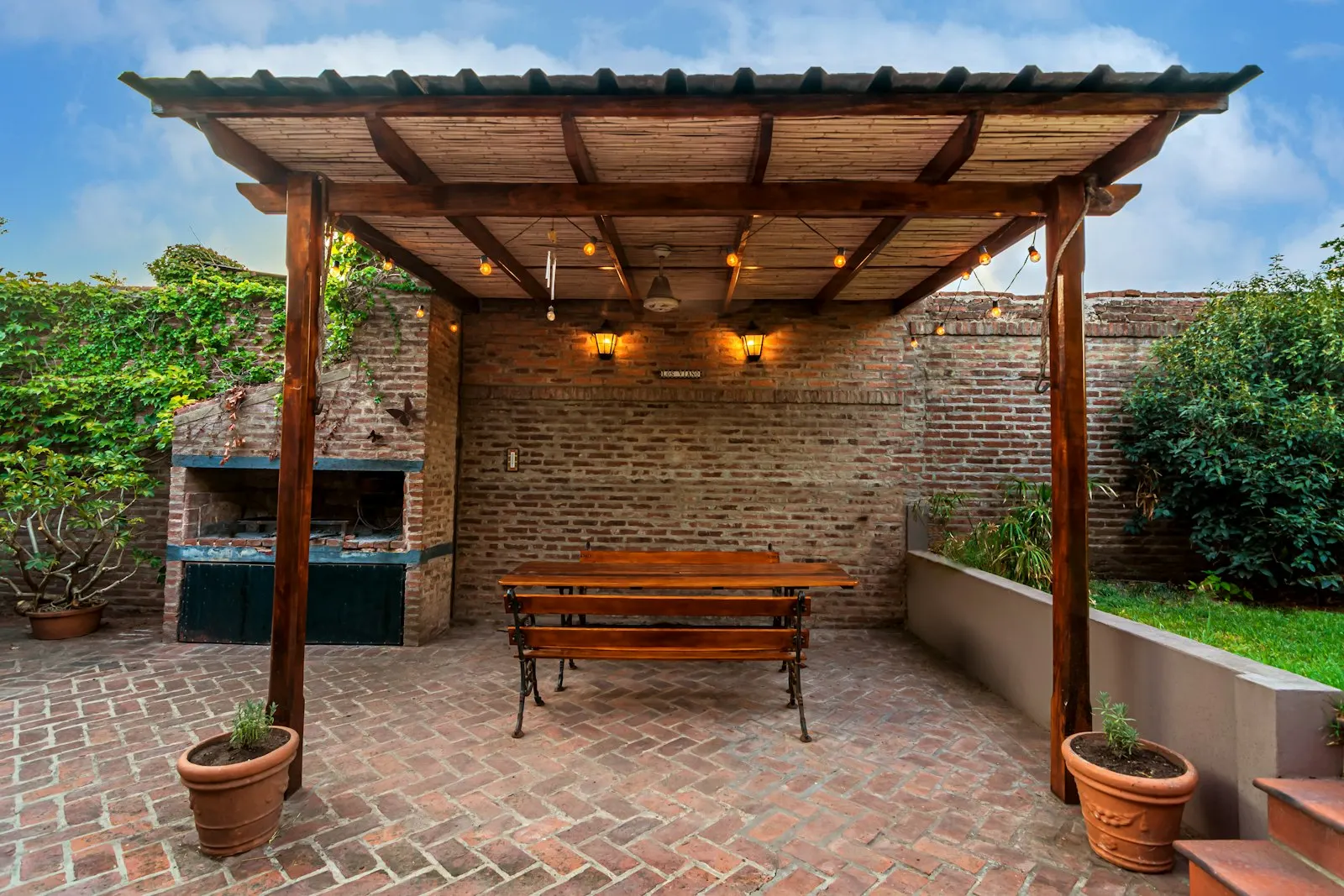
Pergolas and verandahs in South Gippsland handle wind, rain and the occasional heavy storm. After the destructive storms that hit Mirboo North and other parts of Gippsland in February 2024, many owners became more aware of loose roof sheeting and weak connections on outdoor structures. We check and refix brackets and fixings, replace rotten timber and add bracing. Larger storm-damage repairs or roofing work may need a builder or roofer, and insurance claims may need a formal report from a licensed trade.
Composite and hardwood decks
Composite decking does not need oiling but it still needs cleaning, and damaged boards need the matching product and clips from the same manufacturer. Hardwood decks such as merbau and spotted gum are long-lasting but can leach tannins onto paving and concrete when new, and they still need oil to stay looking good. Treated pine is the most common in older South Gippsland decks; it lasts well if kept clean and recoated, but rots where water pools. We work with all three and tell you what suits your situation when replacing boards.
Before summer
The best time to book deck repairs is late winter or spring, before the outdoor season starts. Boards have dried out enough to oil, and any safety problems are fixed before family gatherings and holiday guests arrive.
Steps and landings
Steps cause more falls than any other part of a deck. A tread that rocks, a missing handrail or a slick, mossy surface on shaded steps is worth fixing straight away. We replace treads, add or fix handrails to a sturdy height, and add anti-slip strips to steps that stay damp through winter.
Fixings matter near the coast
Within a few kilometres of the sea, use stainless deck screws rather than galvanised nails.
Photos help us quote
Send a few photos of the deck surface, the underside if you can reach it, and any steps or rails of concern, and we can give you a clearer idea of the work before we visit.
Where we work
Leongatha, Korumburra, Mirboo North, Meeniyan, Koonwarra, Dumbalk, Inverloch, Tarwin Lower, Nyora, Loch, Poowong and nearby rural properties.
How to book
Send photos of the deck, close-ups of the damaged areas and the approximate size. Tell us whether you want repairs, oiling, or both. We will quote clearly and book a time, keeping an eye on the forecast for oiling work.
Frequently asked questions
Can you replace just a few deck boards?
Yes. We replace individual boards, matching width and thickness as closely as possible.
How often should I oil my deck?
Every one to two years for most decks, more often for decks in full sun or by the coast.
Do you build new decks?
We focus on repairs, steps, rails and small additions. Large new decks usually need a builder and may need a building permit.
My deck steps are soft. Is that urgent?
Soft steps are a fall risk. We recommend having them checked and repaired as soon as practical.
Can you repair a veranda on an old house?
Yes. We repair veranda boards, posts, brackets and trims, matching the existing details where possible.
Get a free quote
Tell us your town and list each job on its own line. Add photos if you can. We reply by email with an itemised quote, free and with no obligation.
Get a free quote