Walls take more knocks than people expect. Door handles punch through plasterboard. Furniture scrapes on moving day. Picture hooks and wall anchors leave holes. Cracks open at the corners of windows and doors as the house moves through the seasons. A roof leak that has finally been fixed leaves a brown ring on the ceiling. None of this needs a plasterer for a full day, but it does need doing properly if you want it to disappear.
Leongatha Handyman repairs plaster walls and ceilings in homes across Leongatha, Korumburra, Mirboo North, Meeniyan and the wider South Gippsland district. We patch, set, sand, prime and paint so the repair blends into the wall rather than standing out as a shiny patch.
Plaster problems we fix
- Door handle holes and dents
- Holes left by wall anchors, TV brackets and old shelving
- Cracks at the corners of doors and windows
- Cracks along plasterboard joints
- Cornice that has separated from the wall or ceiling
- Nail pops, where the heads of fixings push through the surface
- Water-stained and bubbled ceilings after a leak has been repaired
- Damaged corners and external angles
- Patches left after electricians or plumbers have cut access holes
- Rough or bumpy old patches that need redoing
- Cracks and loose sections in old lath-and-plaster walls
Why walls crack in South Gippsland
Reactive clay soils
A lot of Leongatha and the surrounding hills sits on clay that swells when wet and shrinks when dry. Through a wet winter and a dry late summer, the ground moves enough to nudge the house. Walls that are rigid, like plaster, show that movement as fine cracks, usually starting at the weakest points: the corners of doors and windows, and the joints between sheets.
Most of these cracks are cosmetic. They can be raked out, filled with a flexible compound, taped where needed and painted. If cracks are wide, stepped through brickwork, growing quickly or paired with doors that suddenly will not close, that suggests something more serious, and we will recommend getting it assessed by a building professional before patching.
Older plaster
Many period homes in the district still have lath-and-plaster walls and ceilings. Over time the plaster can lose its grip on the timber laths, creating bulges, cracks and loose sections. Small areas can be secured and patched. Large areas that have come away may need sheeting over, and we will explain the options.
Moisture
Bathrooms without enough ventilation, leaking roofs, blocked gutters and condensation in cold rooms all damage plaster. We always ask whether the cause has been fixed before repairing water damage. Patching over a leak that is still active is wasted money.
How we repair plaster
Small holes
Small holes are cleaned up, filled with a setting compound and finished with a lighter topping compound. Once dry, they are sanded flush, primed and painted.
Medium holes
Holes up to the size of a fist are backed with a patch or a piece of plasterboard, set in place, then built up in coats and feathered out.
Large holes and damaged sections
For larger damage, we cut out a clean square, fit timber backing or noggings, screw in a new piece of plasterboard, tape the joints and finish over several coats. This takes longer, because each coat has to dry, so larger patches are usually a two-visit job or done alongside other work.
Cracks
We open up the crack slightly so the filler can grip, fill it with a flexible or setting compound, tape where the crack is along a joint, and finish smooth. On walls with ongoing seasonal movement, a flexible filler helps stop the crack from returning straight away.
Cornice
Cornice that has pulled away from the wall or ceiling is re-fixed with cornice adhesive and fixings where needed, then the joint is filled and painted. Sections of damaged cornice can be replaced with a matching profile where available.
Ceilings
Water-stained ceilings are treated with a stain-blocking sealer before painting, otherwise the brown ring bleeds through. Sagging or bubbled sections are cut out and replaced.
Making the repair disappear
A patch is only as good as its paint. Freshly patched areas absorb paint differently from the rest of the wall, so they look flat or shiny unless they are sealed first. We prime every patch and then paint. Where possible, we use your existing paint. If you do not have it, we can try to match the colour, but on older walls the most reliable finish is to repaint the whole wall from corner to corner so there is no visible edge. We will tell you which approach will give the best result before we start.
Plaster repairs before selling or leasing
Holes and cracks make a home look neglected in photos and at inspections. Before a sale or a new tenancy, patching walls and touching up paint is one of the most effective small jobs you can do. We often combine plaster repairs with painting touch-ups, door adjustments and other small jobs as a single pre-sale or end-of-lease visit.

After other trades
Electricians, plumbers and data installers often need to cut into walls and ceilings to run cables or reach pipes. They do not usually make good afterwards. We can come in after them, patch the access holes and paint, so the room is finished.
What to expect on the day
- We lay drop sheets and move furniture away from the wall as needed.
- Plaster dust is fine and gets everywhere, so we sand carefully, use a vacuum and clean up before leaving.
- Most small patches can be filled, sanded and painted in one visit using quick-setting compounds. Bigger repairs need time to dry between coats and may need a second visit.
Plaster in older South Gippsland homes
Many homes in Leongatha, Korumburra and Mirboo North were built in the first half of the twentieth century, when walls were finished in lath and plaster or fibrous plaster sheets. These materials behave differently from modern plasterboard. Lath and plaster can lose its grip on the timber laths behind it, leading to bulges and cracks that run in long lines. Fibrous plaster sheets are joined with plaster and hessian and can crack along the joins as the house moves.
Repairing these walls takes care. We secure loose plaster with plaster washers and screws into the laths or studs, cut out failed sections and fill or patch with compatible materials. Where a large area of old ceiling is sagging, we may recommend a plasterer replace it, as it can be a safety risk.
Cracks and the ground under the house
South Gippsland has reactive clay soils in many areas. The ground swells when it is wet and shrinks when it dries, and houses move with it. This is why cracks often open in summer and close again in winter, particularly above doors and windows. We fill and paint these cracks with flexible filler, but if they keep returning and getting wider, it may be worth having a building inspector or engineer take a look at the footings. We will tell you if what we see is more than cosmetic.
Water-damaged plaster
Ceilings and walls stained or softened by leaks need the leak fixed first. Once a plumber or roofer has dealt with the cause, we cut out and replace soft plaster, seal stains with a stain-blocking primer so they do not bleed through new paint, and finish the area ready for painting.
Matching textures and finishes
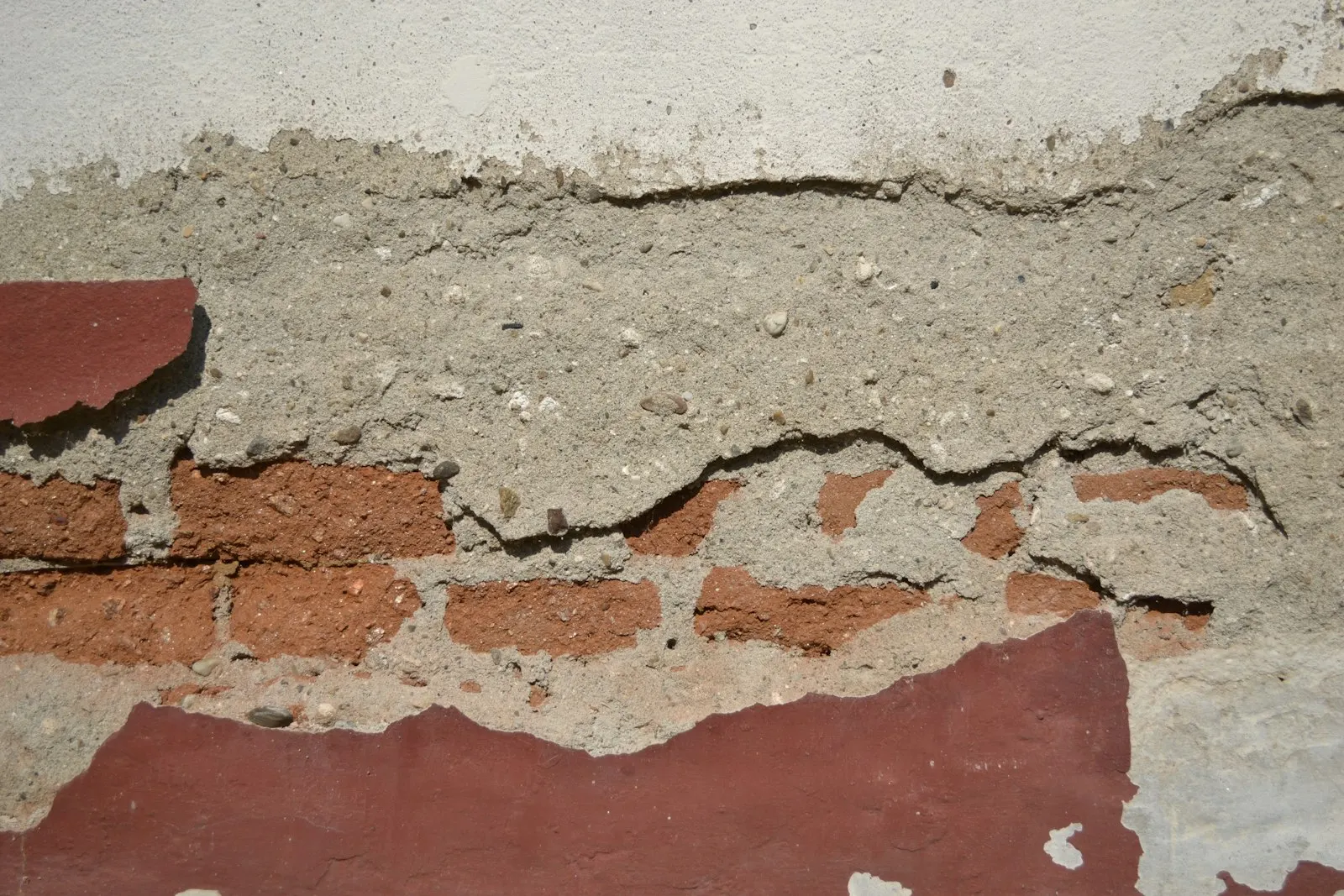
Not every wall is perfectly smooth. Some older homes have a slightly uneven hand-trowelled finish, and some 1970s and 80s homes have textured or sprayed finishes on ceilings. A perfectly flat patch can stand out on those surfaces. We feather the edges of repairs and, where practical, match the surrounding texture so the patch blends in once painted. Paint sheen matters too: a patch painted in flat paint on a low-sheen wall will show, so we ask what paint you have, or recommend repainting the whole wall section for an invisible finish.
Doorstops prevent the most common hole
A large share of the wall holes we patch are made by door handles. A simple skirting or hinge-pin door stop costs very little and prevents the damage happening again, so we fit one wherever we patch a handle hole.
Where we do plaster repairs
We patch walls and ceilings across Leongatha, Korumburra, Mirboo North, Meeniyan, Koonwarra, Dumbalk, Inverloch, Tarwin Lower, Nyora, Loch and Poowong, and on rural properties throughout the area.
Plaster in holiday houses and coastal homes
Coastal homes around Inverloch, Venus Bay and Tarwin Lower have their own problems. Salt air and damp make paint and plaster age faster, and houses that are shut up for weeks can build up condensation and mould on cold walls. We treat mould with an appropriate cleaner, let the surface dry, apply a stain-blocking primer and repaint. We will also mention ventilation if it looks like the cause.
Ceiling repairs after storms
Severe storms do pass through the district. The February 2024 storm that tore through Mirboo North brought down trees across the town and left many homes with roof and ceiling damage. Once the roof itself has been repaired by a roofer and the insurer has done what it needs to, we can patch and repaint water-damaged ceilings and replace damaged cornice.
Simple ways to prevent wall damage
- Fit door stops behind doors that swing into walls
- Use the right wall anchors when hanging heavy items
- Keep bathroom exhaust fans clean and running
- Clean gutters so overflow does not soak into walls and eaves
- Deal with small cracks early before they widen and collect dirt
Frequently asked questions
Will I be able to see where the wall was patched?
We prime and paint every patch. For the best result on older walls we may suggest painting the full wall so there is no visible edge. We will explain this when quoting.
How long does a plaster repair take?
Small patches can usually be finished in one visit. Larger holes and cut-out repairs need drying time between coats and may need a second visit.
Can you repair old lath-and-plaster walls?
Yes, for small and medium areas. Where a large section has come away, sheeting over may be the better option, and we will explain the choices.
Do you paint after patching?
Yes. Patching and painting are done together so the job is finished.
My wall cracks keep coming back. Can you help?
Seasonal movement on clay soils causes many recurring cracks. We use flexible fillers to reduce this. If cracks are wide or growing quickly, we recommend a professional assessment before repair.
Get a free quote
Tell us your town and list each job on its own line. Add photos if you can. We reply by email with an itemised quote, free and with no obligation.
Get a free quote